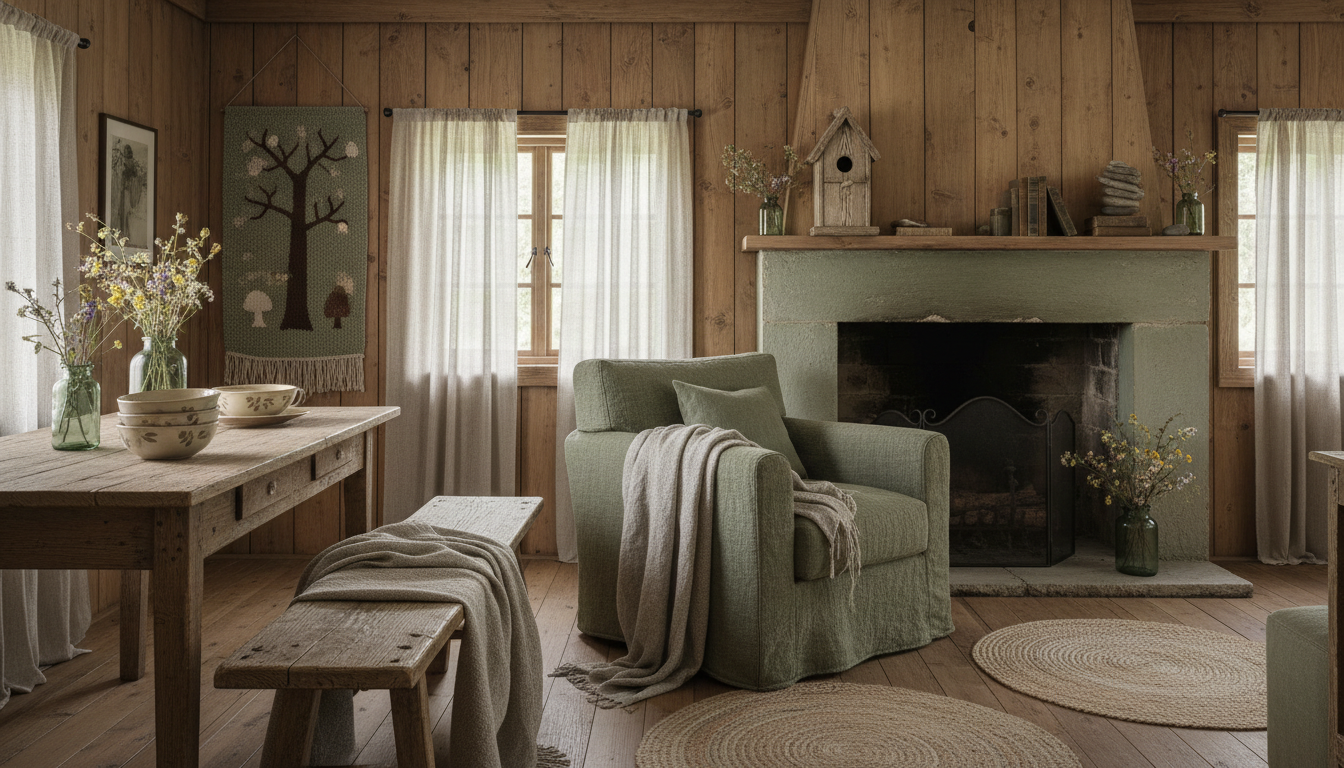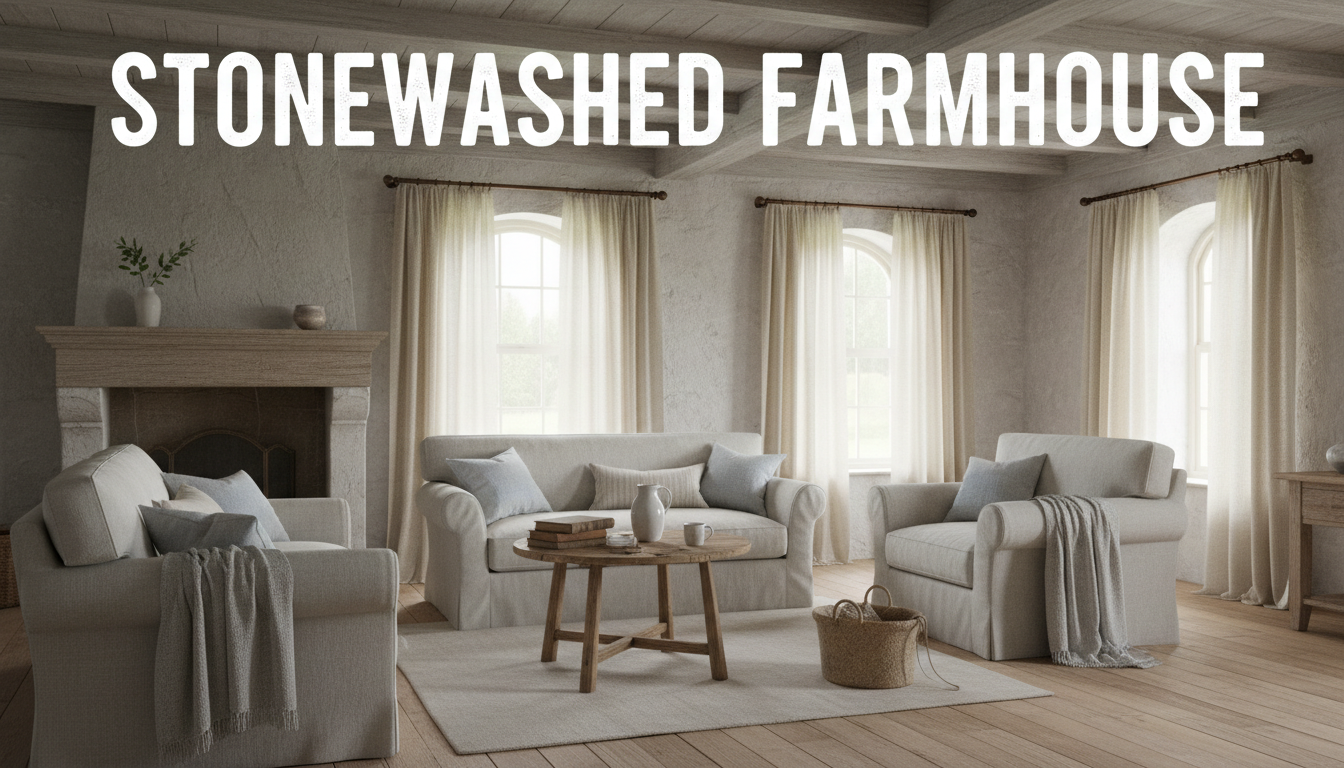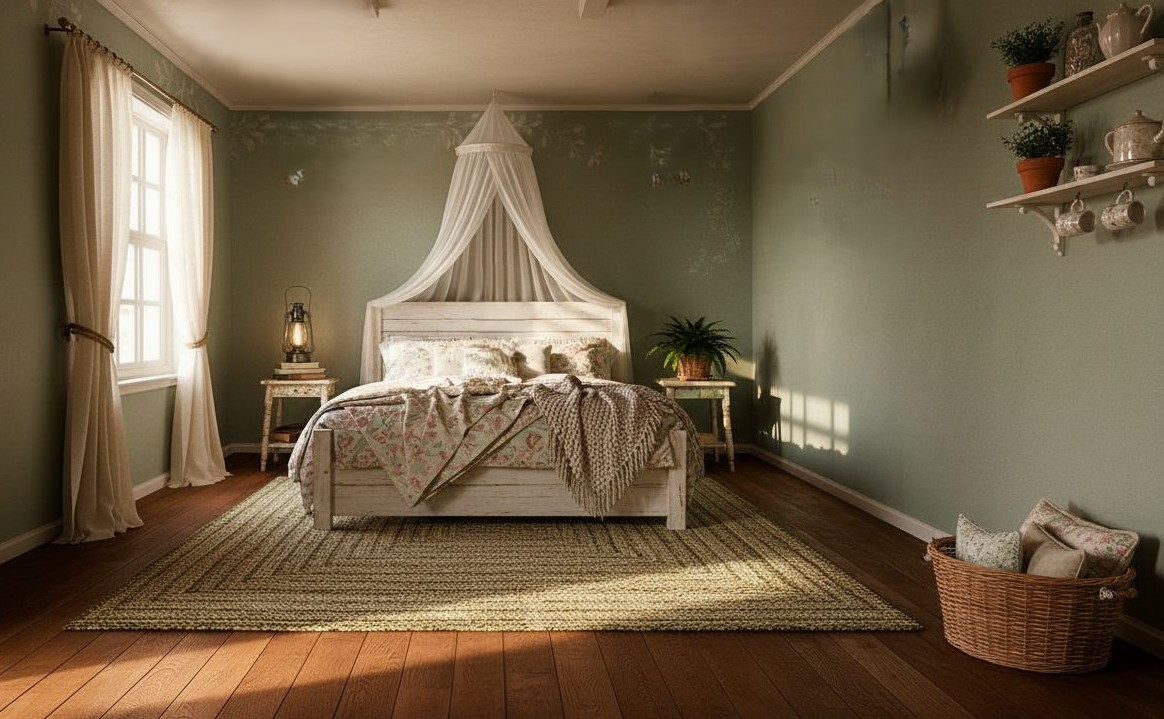

There’s a sweet spot between too much and not enough. A place where every piece feels chosen, but the space still breathes. That’s the magic of curated minimalism. It lets us keep the soul and story in our homes, without the overwhelm of excess.
If you’ve ever loved vintage decor but craved more calm, this gentle approach might be just what you need.
Here are 8 ways to create a clutter-free yet comforting home that honors your love of old things – without letting them take over.
1. Start with fewer, better pieces
Choose a handful of beautiful, meaningful items instead of filling your space with many.
What to Look For:
– Handmade pottery
– Vintage art in timeworn frames
– Solid wood furniture with patina
– Brass candlesticks or ceramic table lamps
How to Display These Items:
- Let each piece have room to stand out.
- Style a single shelf with one framed painting, a ceramic vase, and a candle.
- Keep your surfaces mostly clear to let each object breathe.
Picture This:
A sunlit corner with a simple pine table, a curvy pottery jug holding branches, and a vintage painting leaning against the wall. There’s space between each object. The room feels calm, not empty – like everything is in its right place.

2. Use restraint with collections
Display collections thoughtfully, not all at once. Rotate them with the seasons to keep things fresh and calm.
What to Look For:
– Vintage teacups or mugs
– Antique books
– Wooden boxes or tins
– Old cameras or curios
How to Display These Items:
- Group 3–5 items of the same type in a small area – a shelf, tray, or glass-front cabinet.
- Store the rest to rotate later.
- Use soft lighting nearby to highlight the display without overwhelming the eye.
Picture This:
A wooden cabinet with a small cluster of vintage books, a ceramic figurine, and an old photo in a brass frame. The shelves aren’t crowded. You can see each item clearly, and the whole space feels like a quiet, intentional pause.

3. Let imperfect pieces tell a story
Embrace signs of wear and age – they add warmth and personality to a space.
What to Look For:
– Chipped enamelware
– Faded or threadbare quilts
– Weathered baskets or crates
– Patinaed mirrors or trays
How to Display These Items:
- Use them just as they are.
- Drape a quilt over the arm of a chair.
- Stack old enamel bowls on open shelves.
- Hang a tarnished mirror where it can reflect soft light.
Picture This:
A cozy reading nook with a creaky armchair, a faded floral quilt, and a chipped enamel cup on a small side table. The room feels lived-in and loved, like a space that’s been well used and well loved for decades.

4. Be honest about what’s serving you
Let go of pieces that no longer bring you peace, beauty, or function. Keep what still feels meaningful.
What to Look For:
– Beloved items that bring joy or function
– Storage bins or baskets for editing collections
– A notebook to jot down what you truly use and love
How to Display These Items:
- Create open spaces by removing what no longer serves you.
- Use baskets to store things you’re unsure about.
- Rehome pieces you’re ready to part with.
- Let empty space be part of your decor.
Picture This:
A pared-back living room where nothing feels crowded. A linen basket in the corner holds a few rotated-out items, and a beloved bench sits in its own pocket of quiet. The air feels lighter.

5. Style with intention, not abundance
Less is more. Keep styling minimal and let meaningful pieces anchor your surfaces.
What to Look For:
– A small stack of favorite books
– A handmade candle
– A ceramic bowl or wooden tray
– One special object (like a feather, shell, or old photo)
How to Display These Items:
- Group them with purpose on a table or shelf.
- Use a tray or textile to visually connect them.
- Leave surrounding space bare to highlight what’s there.
Picture This:
A bedside table with a small stack of linen-bound books, a beeswax candle, and a wooden dish holding a seashell. Nothing else. The surface invites rest, not distraction.

6. Give your home room to evolve
Let your home shift over time. Swap decor seasonally or whenever the mood changes.
What to Look For:
– Interchangeable art prints
– A few neutral throw pillow covers
– Seasonal textiles (light linen, cozy wool)
– Storage boxes or under-bed bins
How to Display These Items:
- Keep a few go-to decor pieces you can easily rotate in.
- Use baskets or closets to store off-season styles.
- Let change be easy, light, and playful.
Picture This:
A mantel with different vintage frames that you switch out with the seasons – a spring floral print in April, a snowy village painting in December. A linen curtain billows gently, hinting at summer’s breeze.

7. Balance nostalgia with clarity
Hold on to vintage pieces you truly love, not just those that feel nostalgic or rare.
What to Look For:
– Items that still evoke joy or calm
– Sentimental objects you want to keep visible
– A “maybe” bin for things you’re unsure of
How to Display These Items:
- Display what brings you real warmth.
- Tuck away the rest or let them go.
- Create a focused vignette on a shelf, dresser, or wall with meaningful pieces that work well together.
Picture This:
A small hallway table with a black-and-white photo of your grandparents, a candlestick from your favorite antique shop, and a tiny vase of fresh flowers. Everything there feels personal, not crowded.

8. Use natural materials to ground the space
Bring in warmth and calm through raw, earthy textures that wear beautifully with time.
What to Look For:
– Woven baskets
– Wooden bowls, stools, or spoons
– Linen napkins, curtains, or tablecloths
– Clay or terracotta vessels
How to Display These Items:
- Let textures take the lead.
- Use baskets for storage.
- Add a wood tray on your coffee table.
- Layer in a linen runner down your dining table.
- Pair with soft lighting to bring out the warmth of natural materials.
Picture This:
A wide kitchen windowsill lined with terracotta pots and wooden spoons in a crock. The afternoon sun casts long shadows, and the linen curtain filters in a soft, golden glow.

There’s no need to rush into a perfectly curated space. Let your home unfold slowly. Trust your instincts. If something feels heavy or out of place, set it aside and see how the space feels without it.
If you find joy in an old mirror, let it shine. Remember, minimalism doesn’t have to mean blank and empty. It can mean calm and full of care.
Home takes time – and that’s what makes it feel like home.
N.B. As an Amazon Associate, I earn a small commission on qualifying purchases at no cost to you. Also, some of the images on this website were created with the help of AI.